finding Houston Collision Repair
Achieving Excellence in Collision Repair: Pro Tips for a Flawless Outcome
Achieving excellence in collision repair requires a thoughtful balance of techniques, tools, and safety measures. From picking the ideal hammers to excelling at paint matching, each phase is critical to producing an impeccable outcome. Skilled technicians recognize that thorough preparation and precision can determine the final result. Yet, many overlook common pitfalls that can compromise their work. Grasping these finer details can reshape the repair workflow and surpass expected outcomes. What truly determines the final quality?
Selecting the Best Tools for Collision Repair
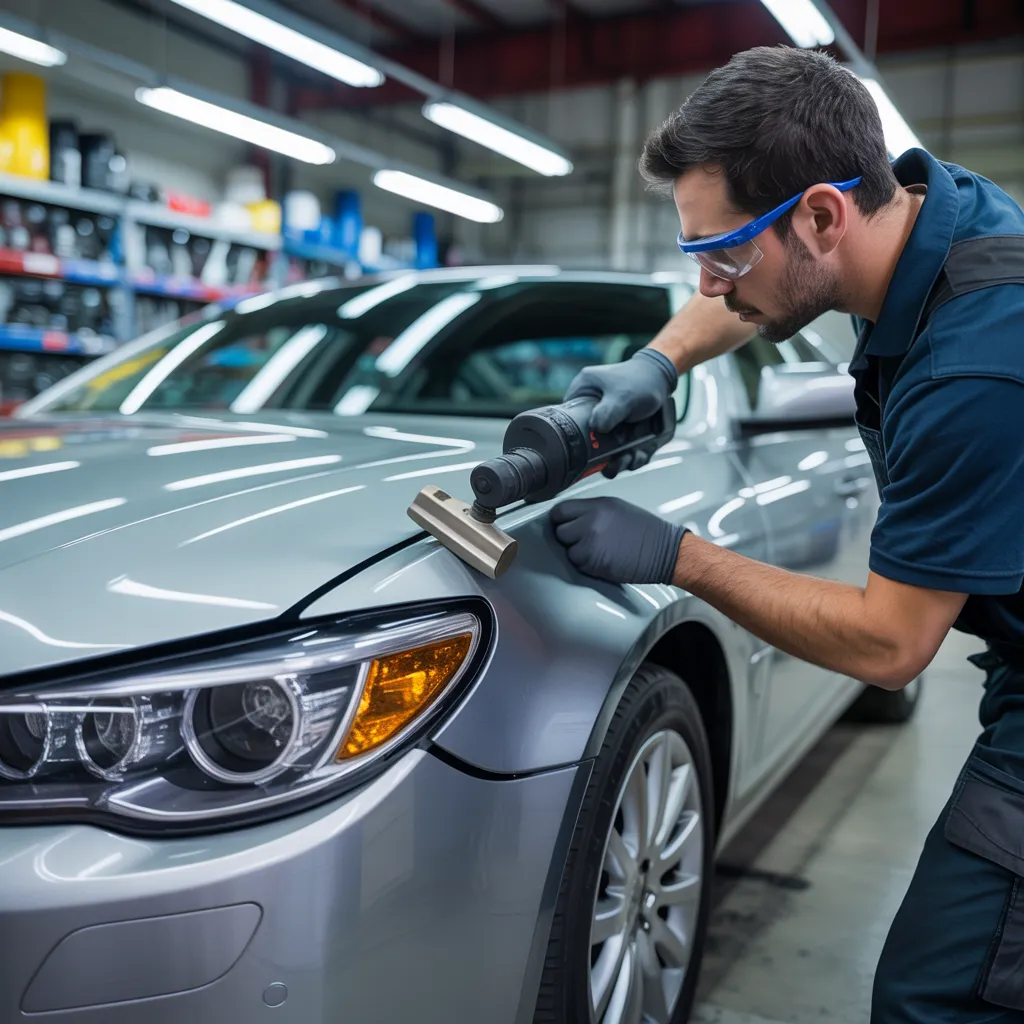
When choosing tools for vehicle collision repair, technicians must evaluate both functionality and quality to guarantee optimal results. The right tools not only boost productivity but also ensure precision in repairs. Critical equipment include pullers, hammers, and dollies, which are critical for restoring damaged body panels. Moreover, pneumatic tools can significantly accelerate repair processes, making tasks like sanding and grinding more efficient.
Adhesives and sealants are essential in ensuring a long-lasting result, while measuring tools guarantee accuracy in proper fit and alignment. Protective gear, including gloves and goggles, is just as critical to keep technicians safe throughout the repair process. Purchasing high-grade tools lowers the likelihood of harm to the vehicle and enhances the general quality of the repair. By carefully selecting appropriate tools, mechanics can effectively restore vehicles to their original condition, supporting both visual appeal and safety.
Body Repair Methods: A Comprehensive Step-by-Step Guide
In the domain of collision repair, understanding body repair techniques is vital for achieving the best results. This guide outlines the necessary tools required, the required procedures for surface prep, and effective painting techniques. Through mastering these components, technicians can guarantee a high-quality finish and return vehicles to their pre-damage state.
Necessary Tools Required
A properly outfitted workshop is critical for effective collision repair, as the right tools can considerably elevate the quality of the work. Key tools include a high-quality hydraulic jack for hoisting vehicles, guaranteeing easy access to compromised areas. A variety of hand tools, such as wrenches, pliers, and screwdrivers, are important for breaking down components. Additionally, a pneumatic sander is indispensable for smoothing surfaces, while a body hammer and dolly set are vital for recontouring metal panels. A paint gun is indispensable for laying down finishes, accompanied by a good-quality respirator for safety. To complete the setup, a reliable workbench provides a stable surface for repairs and assembly. Securing these tools sets the stage for successful collision repair.
Surface Preparation Steps
Adequately preparing the surface is critical for achieving a flawless finish in collision repair. The primary step involves complete cleaning to eliminate dirt, grease, and contaminants that could compromise adhesion. Next, any compromised areas must be sanded down to create a smooth, even surface. This commonly demands using a combination of coarse and fine grit sandpaper. After sanding, it's imperative to clear away dust and debris, typically with a lint-free cloth or compressed air. For deeper scratches or dents, body filler can be utilized, followed by further sanding to achieve a seamless blend. Finally, a suitable primer should be applied to promote paint adhesion and protect the repair. This meticulous process establishes the groundwork for a professional paint job.
Painting Techniques Explained
Excelling in paint application methods check this resource is critical for attaining a high-quality result in collision repair. Various methods exist, each suited for particular requirements and results. Spray-based painting stands as the most common method, providing even application and quick drying. Techniques such as cross-coat application ensure uniform coverage, while the practice of using multiple thin layers prevents paint imperfections. Moreover, the selection of paint formula, including solvent-based or waterborne options, can influence both visual results and regulatory standards. A carefully managed setting, including proper ventilation and temperature, is essential for optimal bonding and surface quality. Finally, careful examination post-application confirms any imperfections can be corrected promptly, leading to a flawless final product.
Auto Collision Repair: Basics of Paint Matching
When addressing collision repair, obtaining a perfect paint match is essential for bringing back the vehicle's original look and worth. The process begins with identifying the vehicle's original color code, commonly placed on a tag inside the door jamb or under the hood. This identifier acts as a foundation for determining the appropriate paint formula.
Furthermore, specialists regularly rely on color-measuring devices to examine the original paint and guarantee an exact color match. This equipment detects the color's nuances, accounting for variables like environmental wear and color fading. When the appropriate paint has been chosen, it is critical to apply it to a minor, hidden spot before proceeding with full coverage.
Blending techniques also serve a critical function in producing a flawless finish. By feathering the edges and employing different spray patterns, professionals can reduce the evidence of the repair. At the core of the process, a thorough approach to paint matching not only elevates the overall appearance but also contributes to the automobile's enduring market value.
Essential Safety Tips for Collision Repair
In auto body repair, prioritizing safety is critical to ensuring a secure working environment. Fundamental procedures encompass utilizing appropriate personal protective gear, preserving a structured and tidy workspace, and adhering to strict hazardous materials protocols. Implementing these safety tips can significantly minimize the hazards related to the vehicle repair procedure.
Proper Personal Protective Equipment
A complete grasp of proper personal protective equipment (PPE) is essential for anyone involved in collision repair. This gear protects workers from the many risks associated with the repair environment. Essential components consist of protective goggles that shield the eyes from airborne debris, hand protection to reduce skin exposure to harmful substances and sharp edges, and respiratory masks to filter harmful fumes and dust. Additionally, sturdy work suits guard against paint overspray and other workplace contaminants. Steel-toed boots are essential for foot protection against heavy equipment. Consistent instruction on proper PPE use helps workers maintain awareness of potential dangers and compliance requirements. By emphasizing the correct use of PPE, technicians can greatly reduce the likelihood of injuries and enhance overall workplace safety.
Secure Workspace Arrangement
The right personal protective equipment forms the basis for a safe work environment, but workspace organization plays a significant role in minimizing hazards as well. A clutter-free area allows technicians to move freely, lowering the likelihood of trips and falls. Tools ought to be placed in specific designated spots, ensuring easy access and preventing misplaced items that could cause accidents. Work areas should remain free of debris and combustible materials, as sufficient lighting boosts visibility and reinforces overall safety. Additionally, signage indicating hazardous areas or required equipment can serve as helpful reminders. Through the commitment to an orderly workspace, collision repair specialists not only boost their efficiency but also cultivate a safer setting for themselves and their fellow team members.
Dangerous Material Handling Guidelines
Maneuvering hazardous materials calls for strict adherence to protective measures to ensure the well-being of technicians and the work environment. Adequate training is essential; technicians should be well-versed in Material Safety Data Sheets (MSDS) to comprehend the risks associated with each substance. Personal protective equipment (PPE) such as gloves, goggles, and respirators should be used at all times when managing chemicals. Air circulation is crucial; workspaces should be outfitted with adequate exhaust systems to limit inhalation risks. Spill containment kits should be kept on hand and staff instructed in their use. Regular assessments of hazardous materials storage areas maintain compliance and safety. By enforcing these procedures, collision repair technicians can significantly minimize the risk of accidents and develop a safer working environment.
Common Collision Repair Mistakes You Should Avoid
Working through the nuances of collision repair demands an understanding of common pitfalls that can compromise the quality of the work. A frequent error is neglecting proper surface preparation, which can result in poor bonding of paint and coatings. Failing to adequately clean, sand, and prime surfaces may cause inconsistent results or flaking coatings.
Another common error involves utilizing the wrong materials. Technicians must verify they are using the appropriate filler, paint, and clear coat that meets the vehicle's specifications. Misjudging drying times can also be detrimental; rushing the process may cause defects such as runs or fish eyes.
Moreover, insufficient attention to detail during alignment and assembly can lead to improperly fitting components. Ensuring that all parts are correctly positioned not only enhances aesthetics but also secures overall safety. Avoiding these mistakes is vital for reaching a high standard in collision repair.
How to Get a Professional-Quality Result
Reaching a professional-quality finish in auto body repair relies on careful attention to detail and adherence to best practices. First, surface preparation is fundamental; this encompasses sanding, cleaning, and ensuring the area is devoid of contaminants. Employing premium paints and primers formulated for automotive applications considerably elevates the end result.
Additionally, consistency in application technique is essential; using spray guns at the proper distance and angle ensures an even coating. Several thin coats are better than one thick layer, because it helps prevent drips and runs from forming.
After the painting stage, correct curing becomes vital. Allowing adequate drying time eliminates flaws and secures durability. To complete the process, buffing and polishing help perfect the surface, elevating gloss and visual depth.
Commonly Asked Questions
How Much Time Does a Standard Collision Repair Require?
A regular auto body repair usually takes a few days up to several weeks, influenced by how extensive the damage is, parts availability, and the repair shop's current workload, ensuring quality and thoroughness in restoring the vehicle.
What Costs Can You Expect With Collision Repair?
Collision repair expenses differ considerably, generally falling anywhere from a few hundred to several thousand dollars. Variables that influence the total expense include how severe the damage is, the parts needed for repair, the cost of labor, and whether the vehicle is insured or under warranty.
Am I Able to Handle Collision Repairs at Home?
Certainly, performing collision repairs at home is doable, but it calls for adequate skills, tools, and safety measures. In addition, having knowledge of regional rules and insurance requirements is important to ensure adherence to rules and prevent possible legal complications.
How Can I Prevent Future Collisions?
To avoid future accidents, drivers should keep a safe distance from the vehicle ahead, comply with posted speed limits, eliminate distractions, utilize mirrors properly, and remain aware of nearby traffic conditions, which in turn encourages better driving behavior.
What Insurance Covers Collision Repair Costs?
Collision repair expenses are commonly covered through collision insurance, which provides coverage for damages caused by accidents. Furthermore, comprehensive insurance may cover non-collision incidents, ensuring broader protection for vehicle repairs and related expenses.